News

...
National Clothing as a Language of Self-Expression for Modern Youth
Thu, Feb 5, 2026, 5:53 AM

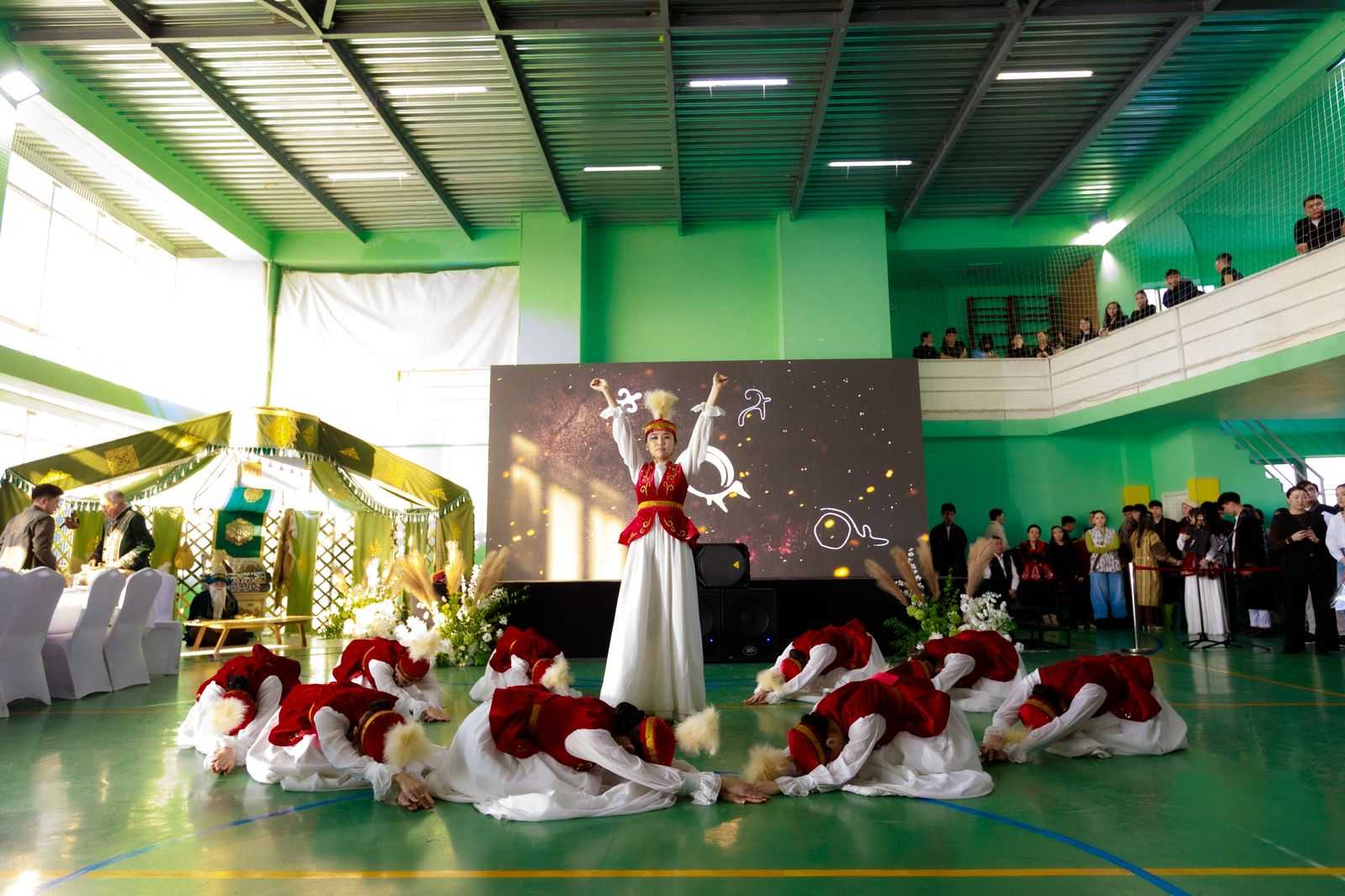
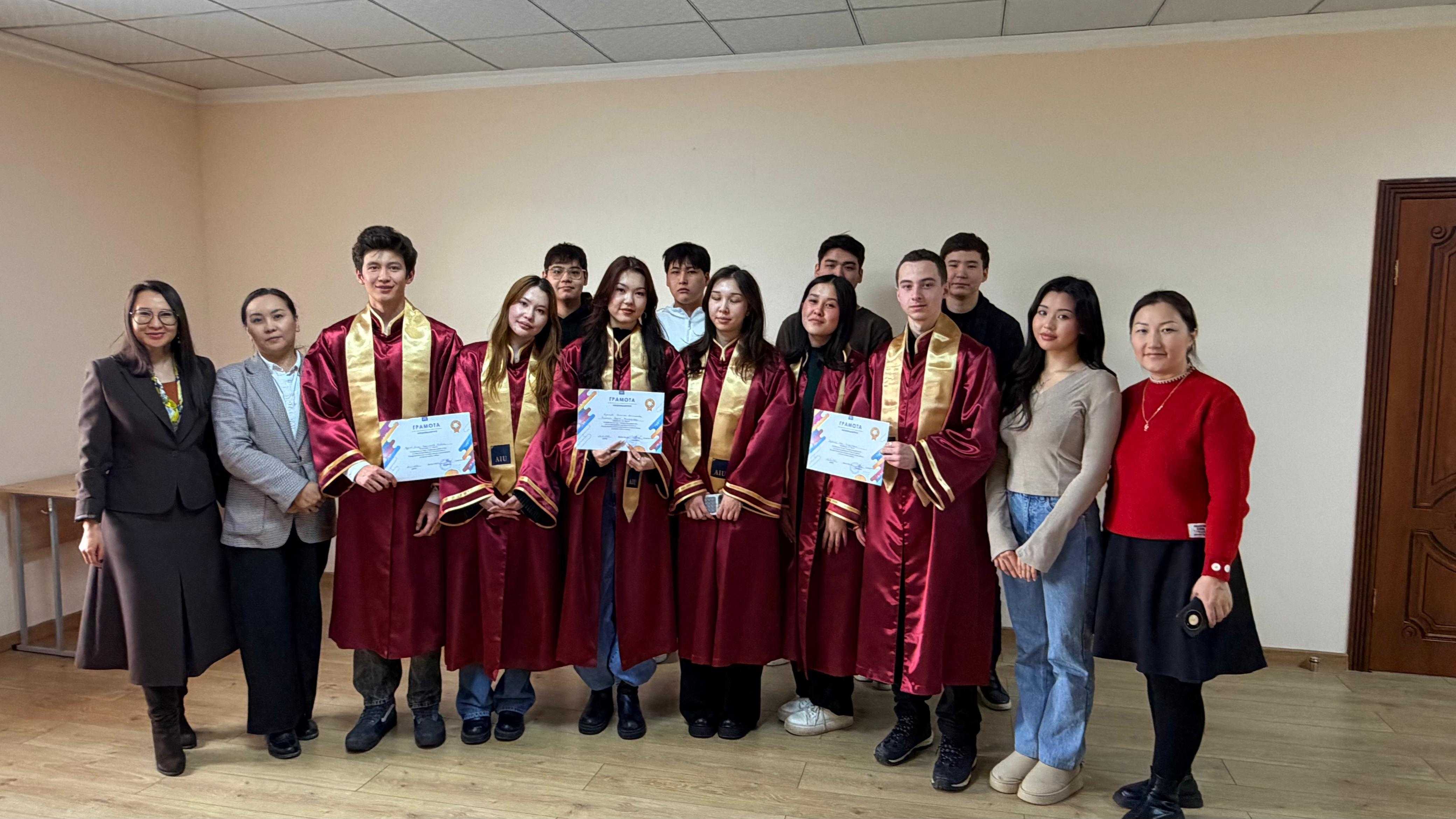
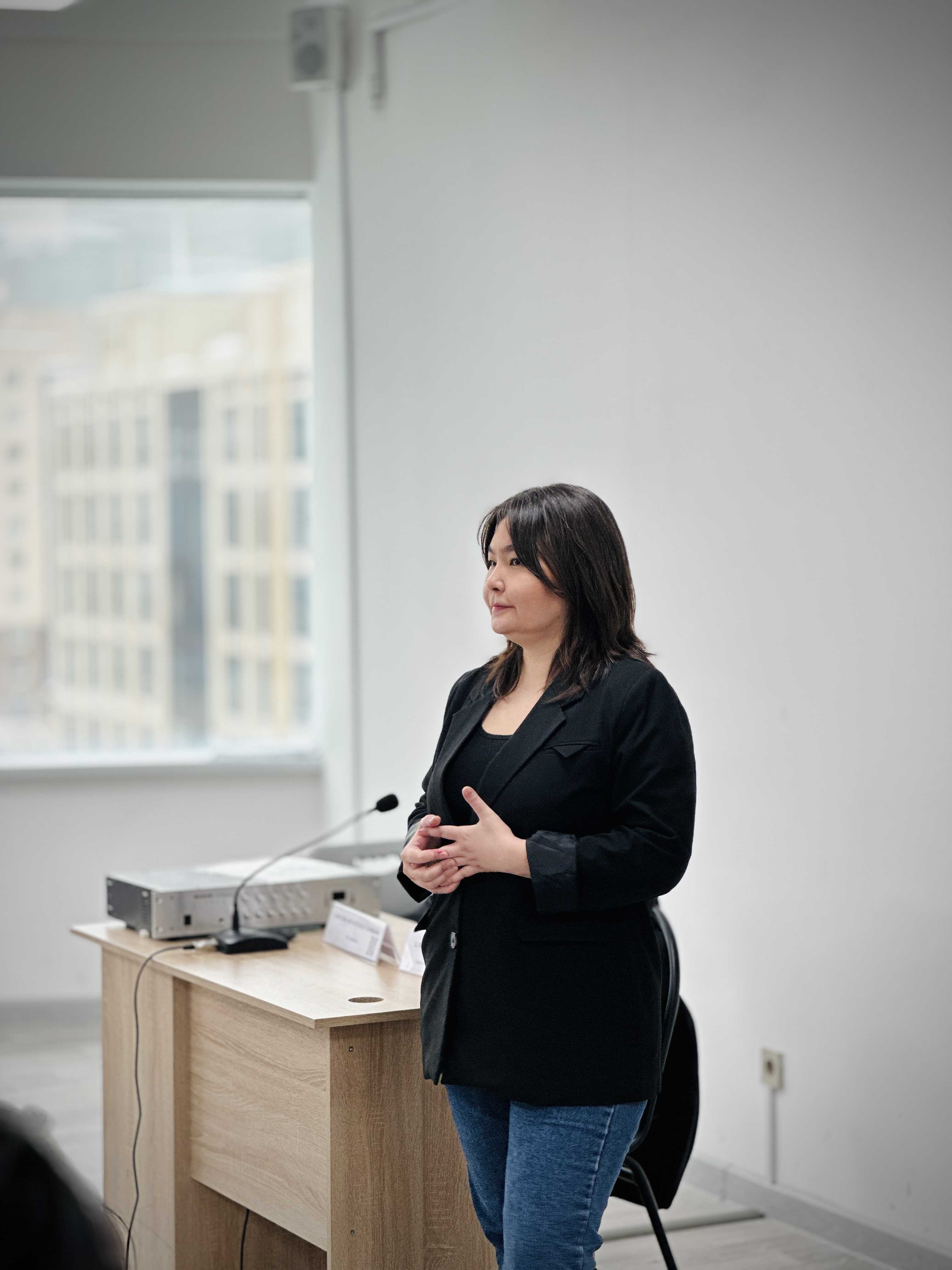
On February 3, 2026, a special and truly inspiring meeting titled “The Code of the Nation in Modern Style: How National Clothing Shapes Youth Identity” was held at Astana International University. Students of the Pedagogical Institute actively participated in the event, showing great interest in issues of cultural heritage and identity formation.

The meeting was organized by Doctor of Pedagogical Sciences, Professor Zamira Dzhuraevna Baubekova, and Senior Lecturer Nina Vasilievna Vlasova. The guests of honor included the head of the “Zhasar” modeling business, designer and author of national clothing collections Korlan Sultanovna Kalieva, along with her creative team.

From the very beginning, it was clear that the discussion would go far beyond fashion. In her speech, Professor Baubekova emphasized that talking about national clothing means talking about ourselves. Clothing is not only about fabric, cut, or color — it is a language through which a person expresses character, values, and attitude toward their culture.

Modern youth live in a fast-paced world where trends and styles change rapidly. In this flow, it is easy to lose oneself and simply copy others without asking the key question: where am I in all of this? In this context, national clothing was presented not as a relic of the past, but as a living connection to one’s roots, embodying memory, dignity, and beauty with deep meaning in the present.

Korlan S. Kalieva shared her professional and creative perspective on how national clothing can become the language of a modern generation — a language of confidence, self-respect, and inner freedom.

The fashion show of contemporary designs made a strong impression on the audience. The unique creations by Korlan Sultanovna captivated both students and faculty members.

Associate Professor A.K. Kalieva noted that the runway seemed to bring together Tomyris — heroines of ancient legends — and girls from the future.
Professor K.Zh. Ibraeva admired the carefully selected color palette and expressive modern tailoring of the national costumes.

Students of the Pedagogical Institute admitted that the meeting helped them reconsider national clothing as something not tied to the past, but rather as a conscious choice and an expression of personal identity in today’s world.

In conclusion, PhD, Deputy Dean for Research of the Pedagogical Institute Gulim Sailaubekovna Karimova emphasized the importance of such meetings for students and expressed confidence that they should become a meaningful tradition of the university.

...
Strategic Horizon 2030: AIU Launches Global Dialogue on the Future of Central Asia
Tue, Feb 3, 2026, 10:56 AM

The implementation of President Kassym-Jomart Tokayev's ambitious strategy to transform Kazakhstan into a key regional hub requires not only political efforts and infrastructure development but also adequate expert support.


Central Asia has become a crossroads of interests for many global powers. However, analytical infrastructure lags behind the diplomatic realities of the "Central Asia Plus" formats. The expert environment is fragmented or isolated from global networks. There is an excess of opinions but a deficit of trust, methodology, and institutional consistency.


A need emerged for a new type of independent analytical "think tank" operating at the intersection of politics, economics, and security, providing reliable, in-depth, and internationally recognized analysis about Central Asia — produced from within the region itself as an independent geo-economic and geopolitical hub.


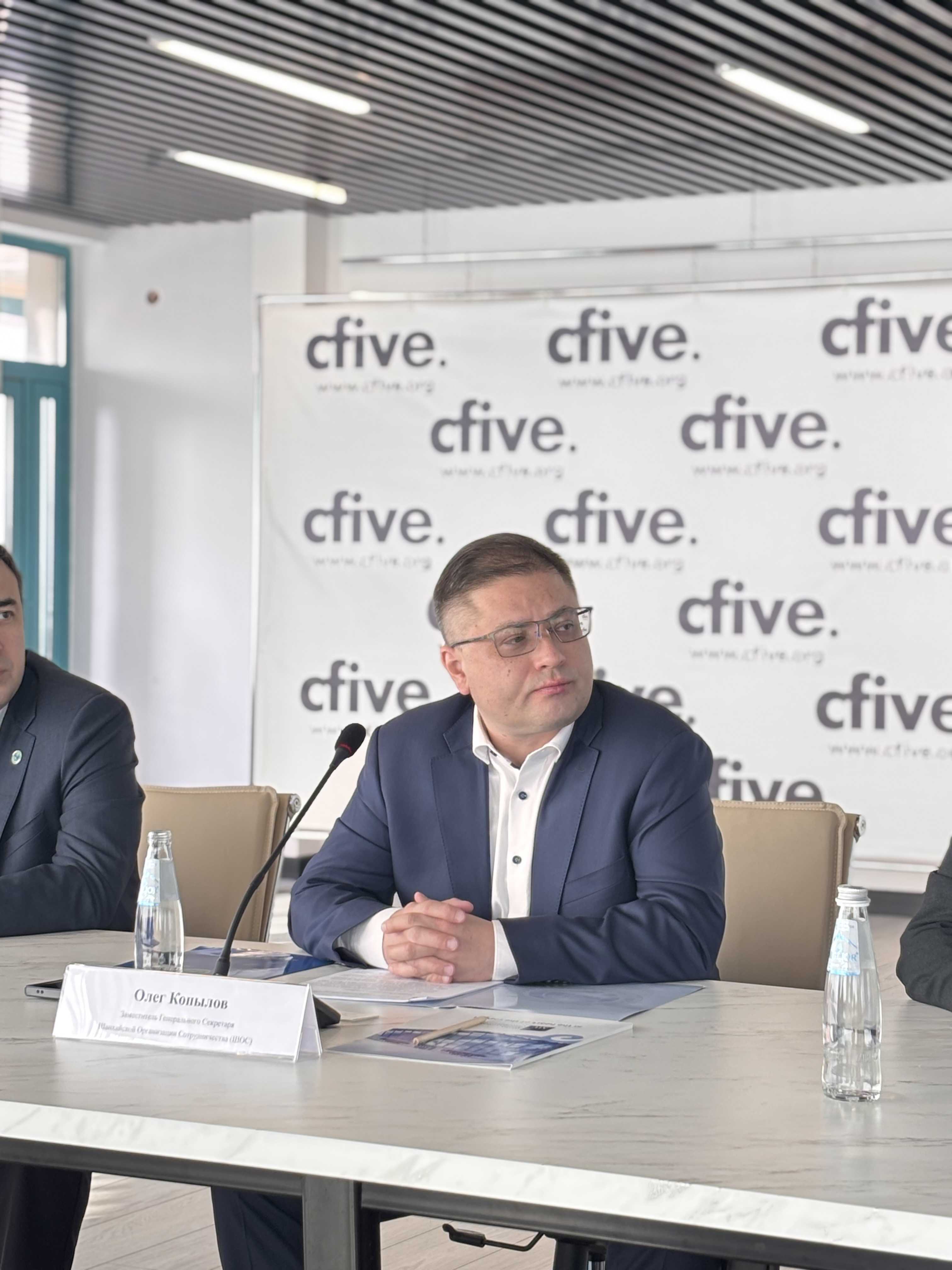
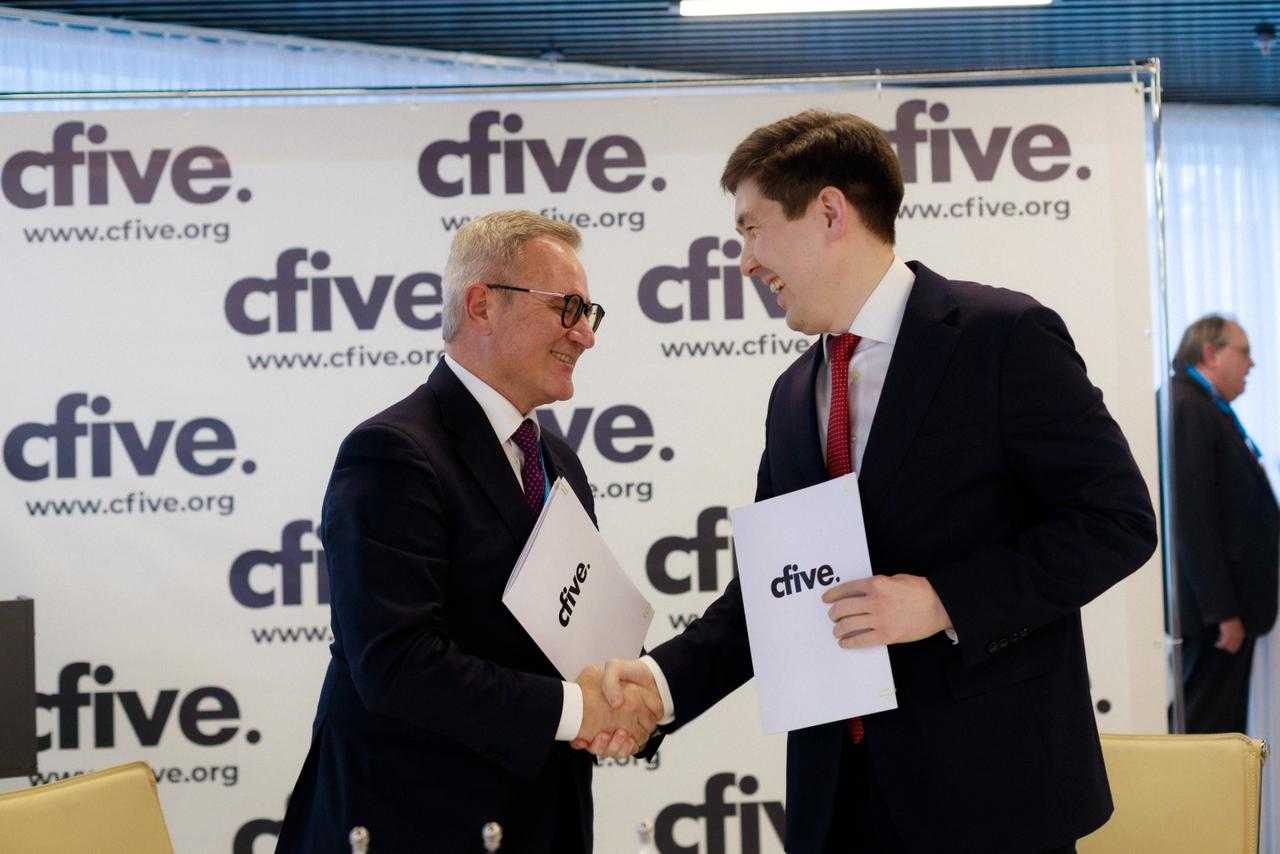
As part of this vital task, Astana International University (AIU) initiated the creation of an intellectual bridge between Kazakhstan and the world's leading research centers. A practical step in this direction was the official launch of the independent platform CFive, established at AIU in partnership with prestigious organizations such as the Atlantic Council and the Caspian Policy Center. This partnership transforms the university into an epicenter of strategic thought, where academic knowledge merges with global politics.


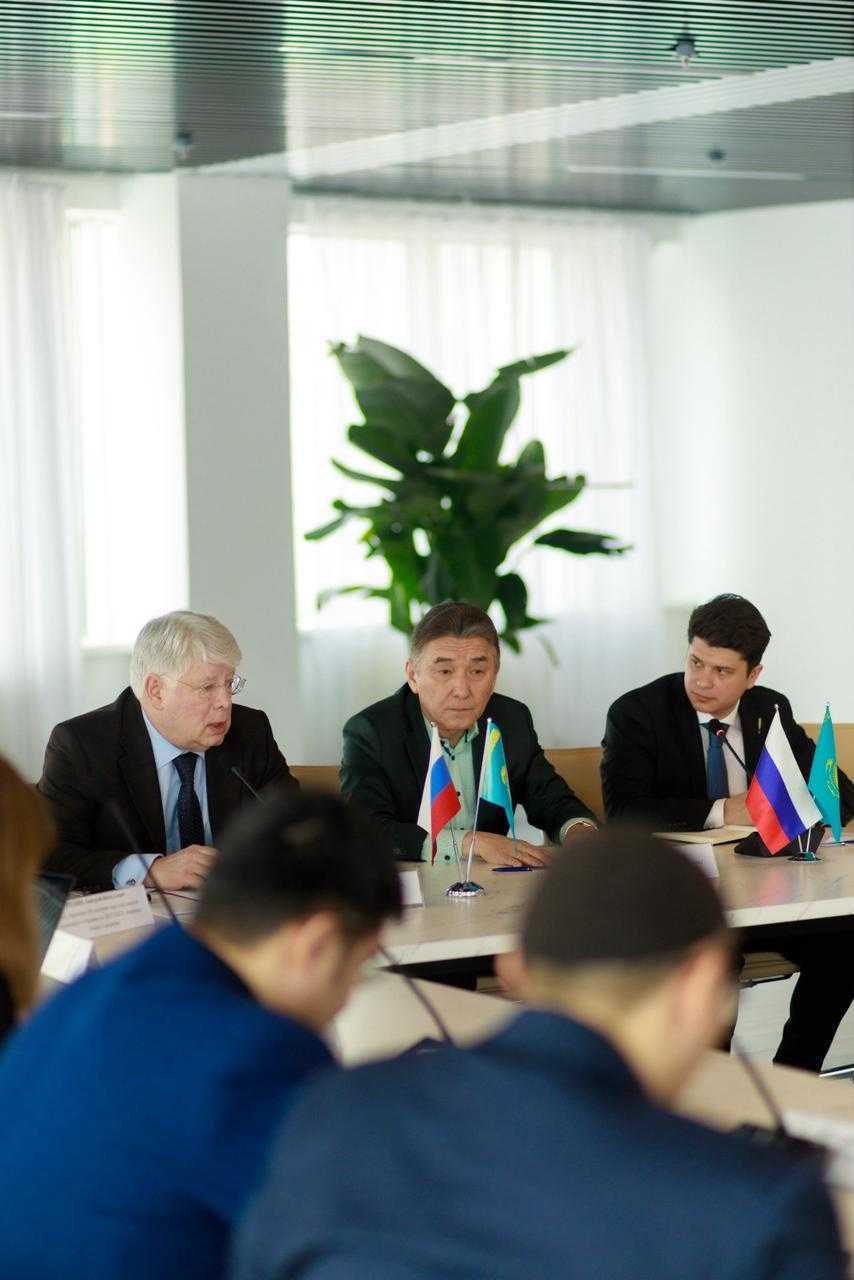
On February 2 of this year, AIU hosted the forum "Central Asia 2030: Strategic Horizons and Regional Choices" on the basis of the CFive platform.


The event brought together representatives of government agencies, the diplomatic corps, international think tanks such as the Atlantic Council and the Caspian Policy Center, as well as the academic and expert communities. Participants discussed the transformation of Central Asia's role in the context of current geo-economic and geopolitical changes, as well as strategic horizons for the region's development until 2030.


The central theme of the discussion was the reimagining of regional connectivity — not as an alternative route, but as strategic infrastructure necessary to ensure economic sovereignty, sustainable growth, and long-term stability for Central Asian countries. It was noted that over the past year, Central Asian and Trans-Caspian countries have made significant progress in coordinating transport, logistics, customs, and digital systems, which previously seemed unrealistic.


Forum speakers included Erkin Tukumov (Special Representative of the President of the RK for Afghanistan), Zulfiya Suleimenova (Ambassador-at-Large, Ministry of Foreign Affairs of the RK), Dauren Aben (Deputy Director of KazISS under the President of the RK), Sultan Yessenbek (Secretary General of the Benelux Chamber of Commerce in Kazakhstan), Andrew D’Anieri (Deputy Director of the Eurasia Center, Atlantic Council), Efgan Nifti (CEO, Caspian Policy Center, online), Iskander Akylbayev (Chairman of CFive), Aaro Ylitalo (Representative of the European Union in the RK), Samuel Mills (Head of Political and Communications Section, British Embassy), Beatriz Muñoz González (Deputy Head of Mission, Embassy of Spain), and Elias Oppenrieder (First Secretary of the Political Section, Embassy of the FRG). They noted that close coordination of logistical and digital systems over the past year has enabled a new level of regional integration. The CFive platform is intended to become a tool to help transform political declarations into concrete investment and technological projects.


U.S. Approach to Central Asia


During the discussion, it was emphasized that the U.S. consistently promotes a regional approach to interaction with Central Asia, viewing it as an independent strategic subject with its own agency and significance, rather than an object of foreign policy. For Washington, long-term commercial and investment projects are directly linked to regional stability, deepening cooperation between neighboring states, and the development of regional formats.


In this context, the C5+1 format was noted as the key framework for U.S. engagement with Central Asia. Holding the C5+1 summit at the level of heads of state in Washington was a significant event, especially considering the traditional orientation of American foreign policy toward bilateral formats.


It was noted that a potential visit by the U.S. President to the region is possible only in the presence of a "big deal" — a large-scale commercial or strategic project with clear and mutual benefits. Potential areas included the extraction of critical minerals, the development of transport and logistics connectivity, and major investment projects that go beyond symbolic initiatives.


Currently, Central Asia is viewed by Western and American investors as a reliable region due to macroeconomic stability and interest in sovereign debt. However, participants emphasized the need to move to the next stage — creating conditions for large-scale equity investments capable of ensuring sustainable economic effects for both regional countries and international partners.


Regional Institutionalization and New Priorities


Particular attention was paid to deepening regional institutionalization, including the formation of the C6 format (C5 + Azerbaijan), which expands Central Asia's strategic perimeter to the west and strengthens the region's collective bargaining position in interactions with external actors.


Energy and critical minerals were identified as new strategic priorities. Participants stressed the importance of transitioning from a raw material model to processing, creating added value, and integrating into global production chains related to green energy, electrification, and digital infrastructure. The Middle Corridor was viewed as a key tool for ensuring this transformation.


In conclusion, participants agreed that if 2025 was a year of strategic alignment, 2026 would be a test of implementation and effectiveness. Priorities include increasing the capacity of the Middle Corridor, eliminating infrastructure bottlenecks, moving from political declarations to practical results, and embedding regional cooperation into everyday management and trade practices.


The event confirmed the demand for CFive as a new independent analytical platform and a long-term venue for expert dialogue and international cooperation on the strategic future of Central Asia.


For students and faculty, CFive opens unique doors. They gain direct access to international analytics and the chance to conduct research alongside experts from Washington and Astana. AIU reaffirms its status as a next-generation research university, actively shaping the future of Kazakhstan as a leading intellectual hub.

...
AIU AND THE INTERNATIONAL RESEARCH COMPLEX “ASTANA” SCIENTISTS COMPLETE A PROJECT ON THE REGIONAL WORKFORCE DEMAND MAP OF ATYRAU REGION
Fri, Jan 30, 2026, 11:45 AM

Today, the Atyrau region stands on the threshold of large-scale transformation. The

economy’s heavy dependence on the oil and gas sector (around 88% of industrial output) makes

diversification and human capital development strategically critical.

In response to this challenge, the International Research Complex “Astana” and Astana

International University developed the Regional Workforce Demand Map of the Atyrau Region

— a comprehensive study of the region’s future labor needs.

The Map is not merely a list of professions. It is a tool that connects the economy, the

labor market, and the education system, enabling government, business, and educational

institutions to speak a common language and providing a foundation for long-term workforce

planning.

As part of the project, the research team consisting of Kuanganov F.Sh., Smagulova Z.K.,

Sarina B.S., Nurzhanova G.I., Baltabayev B.Zh., Baybash G.K., and Lesbayeva G.K. conducted

a strategic analysis and examined the results of the partner institution — Safi Utebayev Atyrau

University of Oil and Gas (foresight sessions, sociological surveys, and professional diagnostics

of school students). The study involved 10,233 students from 101 schools across the region,

ensuring a representative picture of young people’s educational and career expectations.

The research shows that sustainable regional development is impossible without

transitioning from a resource-based model to manufacturing, the agro-industrial complex,

digitalization and the IT industry, tourism, and the food industry.

In tourism, new clusters are already emerging — from ecotourism and wellness

destinations to digital and VR solutions for the hospitality industry. In the agro-industrial sector,

key drivers include bioengineering, precision agriculture, water resource management, and agro-

IT.

The Map clearly distinguishes between professions: emerging professions (1–5 years) (AI

specialists, data analysts, VR/AR developers, agro-IT engineers, aquaponics specialists,

sustainability and environmental experts); transforming professions (traditional roles such as

agronomists, veterinarians, technologists, and guides are shifting toward working with digital

platforms, sensors, analytics, and automated systems); and declining professions (3–5 years),

where a number of specialties are gradually being displaced by automation, online platforms, and

AI — especially in routine operations and intermediary functions.

One of the key findings of the Workforce Demand Map is the gap between the labor

market and educational programs. This highlights the need to update educational standards,

expand dual and practice-oriented learning, and introduce micro-credentials and lifelong learning

programs.

The final conclusion of the Map is clear: human capital is becoming the foundation of the

region’s new economy. Investments in education, technology, and future skills are not social

expenditures but strategic investments in the sustainability and competitiveness of the Atyrau

region.

The Workforce Demand Map is a roadmap for the region’s development toward

2030–2050, where knowledge, adaptability, and the ability to change play a key role.

The presentation is available via the link below. https://drive.google.com/file/d/1ddhSj5hXTv6A64ac-RYDTYLKvIoQ4sr9/view?usp=drive_webb 


...
Digitalizing Heritage: AIU Enhances Cooperation with the Turkic Culture Foundation
Fri, Jan 30, 2026, 7:35 AM

UNESCO analytics prove that digitalization is the primary tool for global heritage preservation. Deloitte experts emphasize that integrating technology into humanities creates significant economic opportunities. Modern cultural diplomacy requires the active implementation of IT solutions.

In this regard, on January 28, 2026, our university hosted a delegation from the Turkic Culture and Heritage Foundation. The organization's primary objective is to preserve and promote Turkic values on the global stage. Its responsibilities include supporting scientific research and protecting the historical heritage of Turkic nations. It is worth noting that the landmark 10th Summit of the Organization of Turkic States was held in our capital in 2023.

As part of this strategic initiative, a high-level dialogue took place at the university between AIU President Serik Irsaliyev and the Head of the Foundation, Aktohty Raimkulova. The discussion also included technological leaders from Astana HUB and NIT JSC, professors from the Higher School of IT and Engineering, and staff from the IT Department of Astana International University.

The Foundation’s Head presented global initiatives for promoting shared heritage. Participants discussed the potential of startups in popularizing cultural values. Specific ideas were proposed to create interactive educational resources. Digital solutions will help make history accessible to the new generation.

The primary outcome was the discussion of plans to solidify the partnership. A four-party memorandum of cooperation is expected to be signed soon. The document will unite the efforts of the University, the Foundation, and Kazakhstan’s leading IT structures.

This collaborative format will establish a unique scientific and technological foundation. We aim to transform cultural traditions into an innovative brand.

...
Spring Festival in Astana: BLCU Branch Students Become Ambassadors of Culture and Friendship
Thu, Jan 29, 2026, 2:30 PM

With the participation of Vice-President of Astana International University Kairat Amangeldinovich Abdrakhmanov, a large-scale cultural evening dedicated to the upcoming Spring Festival and the celebration of the Chinese Lunar New Year was held in the capital. The event took place at Maqsut Narikbayev University and brought together Chinese language teachers, school students, and university students from leading educational institutions across the city. For the academic community of Kazakhstan, this was the first Spring Festival celebrated on such a scale.


Students of the Kazakhstan branch of Beijing Language and Culture University (BLCU), operating on the basis of Astana International University, played a special role in the program. They demonstrated not only their artistic talents but also a deep understanding of Chinese culture, traditions, and language.


Baurzhan Tleumetov, Director of BLCU from the Kazakh side, emphasized the importance of such events7


Currently, BLCU has 152 students enrolled in the Foundation program and 91 undergraduate students studying in a dual-degree program specializing in “Chinese language translation” and “Teaching Chinese” as a foreign language.


This evening was more than just a celebration; it was a living example of how dialogue between nations is built through culture, language, and creativity. At the heart of this dialogue were the students of the Beijing Language and Culture University branch at Astana International University.

...
From Theoretical Foundations to Practical Application of Solar Photovoltaic Systems: Educational and Environmental Analysis in the Context of SDG
Thu, Jan 29, 2026, 10:46 AM

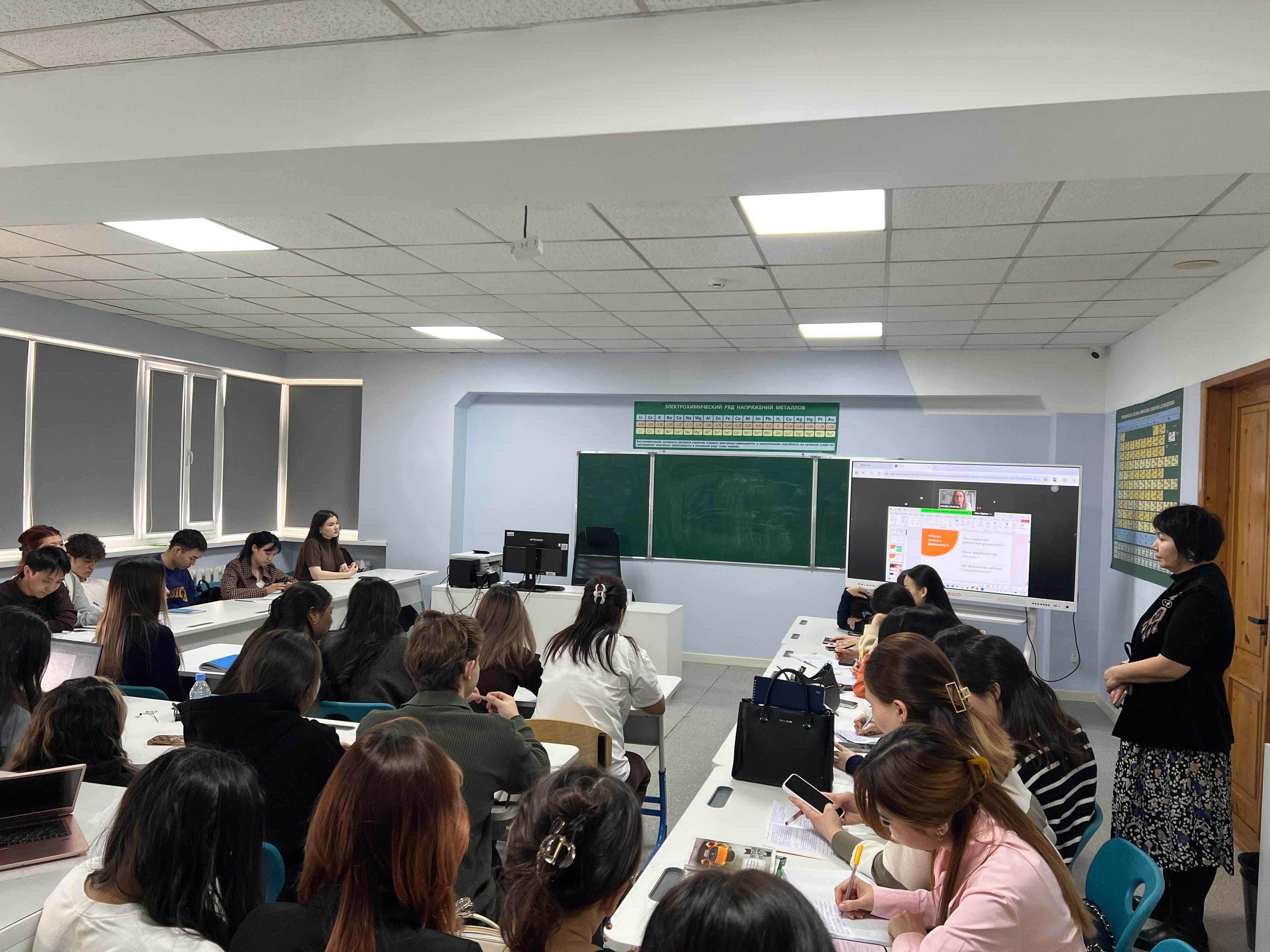
On January 29, 2026, within the framework of integrating sustainable development principles into the educational process and scientific research activities, a training and practical seminar was conducted for students of the 6B01505 “Physics” program, dedicated to analyzing the energy generated by solar panels.

Earlier, on January 23, 2026, two solar panels were installed at the university, providing a practical basis for holding this seminar.


The event aimed to develop modern professional competencies in students in the fields of renewable energy and efficient use of energy resources.

During the seminar, students became familiar with the physical principles of converting solar energy into electricity, the operational principles of photovoltaic modules, as well as methods for measuring and analyzing electricity production indicators. Special attention was given to practical work with real data obtained from the operation of solar panels, which allowed connecting theoretical knowledge with practical experience and enhancing the applied training of future specialists.

The conducted training and practical seminar contributed to the development of students’ analytical thinking, deepened their knowledge in alternative energy sources, and fostered a responsible attitude toward environmental safety and energy conservation. Discussion of current climate change issues and the role of clean energy broadened students’ horizons and increased their motivation to participate in research and project activities.

Additionally, this event made a significant contribution to achieving the United Nations Sustainable Development Goals (SDGs), in particular:

·  SDG 4 “Quality Education” – through the introduction of practice-oriented teaching methods and use of modern technologies;

·  SDG 7 “Affordable and Clean Energy” – promoting and studying renewable energy sources;

·  SDG 13 “Climate Action” – fostering students’ understanding of the need to reduce negative environmental impact and transition to sustainable energy consumption models.


The training and practical seminar was conducted by PhD, Associate Professor Serik Nurkenov, who provided scientific and methodological support for the event and actively involved students in discussing current issues in solar energy development. Conducting such seminars contributes to improving the quality of future specialists’ training and strengthening the role of the educational institution in implementing sustainable development initiatives.


...
INNOVATION AND SUSTAINABLE INDUSTRIALIZATION: FIELD LECTURE OF THE HIGHER SCHOOL OF ECONOMICS IN THE CONTEXT OF THE SUSTAINABLE DEVELOPMENT GOALS
Thu, Jan 29, 2026, 10:33 AM

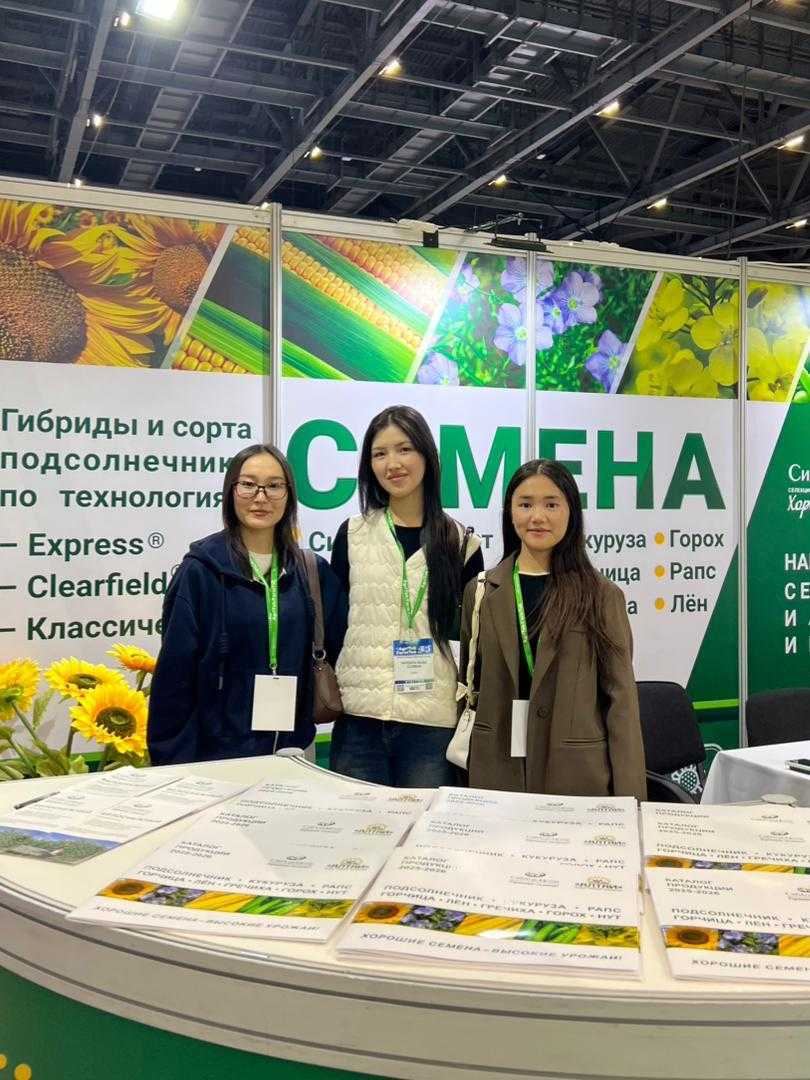
On January 28, 2026, as part of Management Week, a unique off-site lecture and study visit was organized for students of the Higher School of Economics majoring in Management, Marketing, and Finance. The event took place at the international industry exhibition CENTRAL ASIA COATINGS SHOW, serving as an important practical complement to the academic learning process. The initiative was organized by PhD, associate professor of HSE, A.M. Nassyrova, and master’s degree holder, senior lecturer K.R. Nursultanova, who enabled students to immerse themselves in the realities of the modern market.

The main theme of the event was “Innovation Management and Logistics Management: Industry Exhibition as a Driver for Industrial Enterprises in Central Asia.” During the visit, participants explored mechanisms of interaction among industrial companies, key features of logistics chain development, and the role of specialized platforms in promoting technological innovations. Students were given the opportunity to observe how theoretical foundations of management are transformed into effective business solutions at the international level.

Conducting such educational activities directly contributes to the implementation of SDG 9: Industry, Innovation, and Infrastructure. Studying best practices showcased at the exhibition allows future specialists to understand the importance of developing sustainable infrastructure and implementing innovations for regional industrialization. Thus, HSE continues to adopt a practice-oriented educational approach, fostering competencies essential for supporting technological progress and industrial modernization in Central Asia.

...
The University Hosted an Awareness Meeting on Fraud Prevention
Wed, Jan 28, 2026, 1:41 PM

In recent years, the number of fraud-related crimes in Kazakhstan has been increasing. According to the news portal Nur.kz, approximately 27,000 such cases were registered in the country last year.

In addition, 24.kz reports that more than 84 million fraudulent phone calls were blocked last year. This helped prevent financial losses for citizens and business representatives.

It is also worth noting that, according to FactCheck.kz, the total damage caused by fraudulent activities reached 11.1 billion tenge.

Taking these factors into account,as part of the implementation of the "Adal Azamat" on January 27, 2026, the University organized an awareness meeting titled “Fraud Prevention and Legal Responsibility.” The session was conducted by Samat Kairidenovich Koikenov, Class 2 Lawyer of the Prosecutor’s Office of the Esil District of Astana.

Representatives of the Prosecutor’s Office emphasized the importance of timely detection of fraud cases and prompt reporting to the competent authorities.

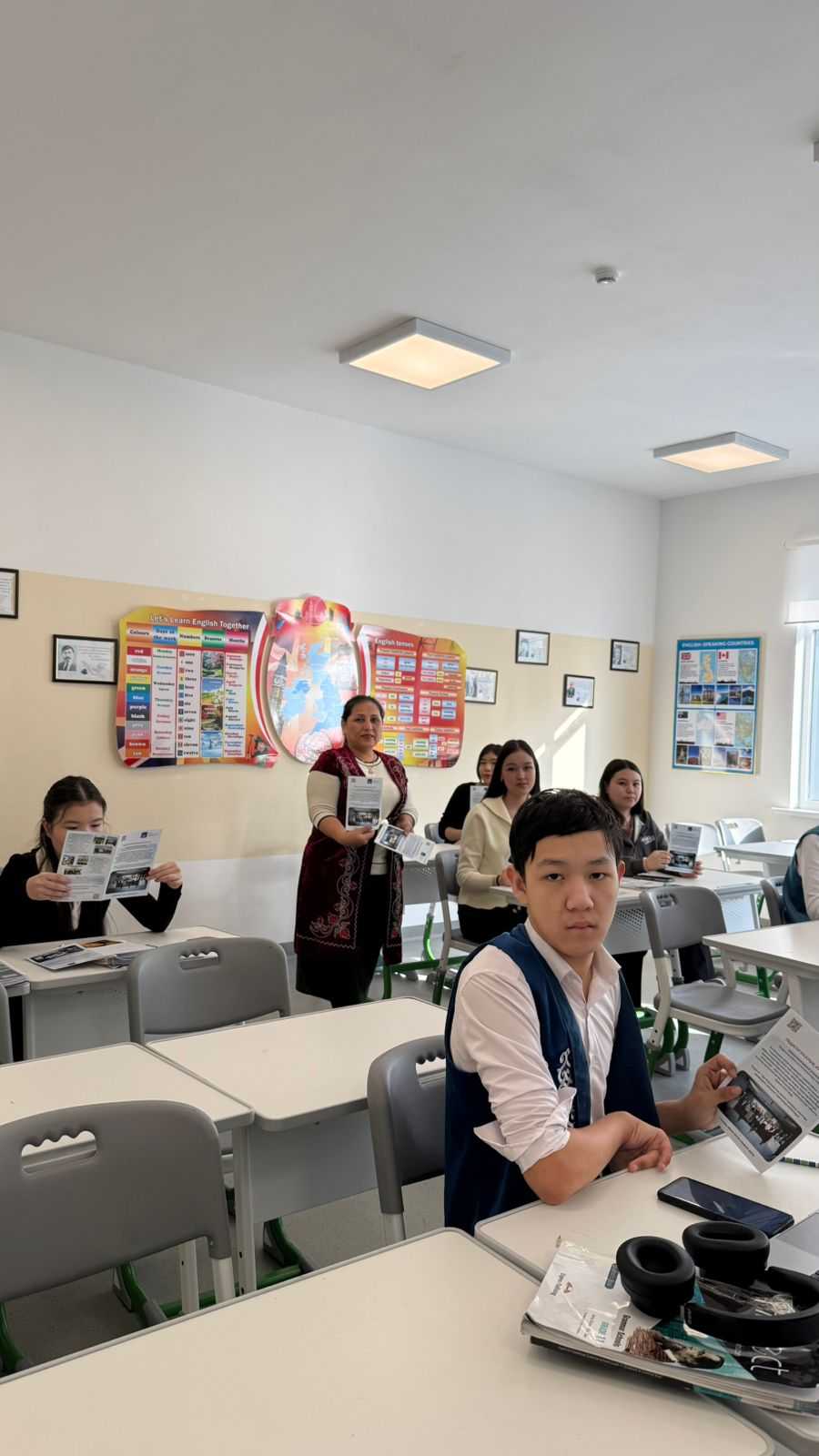
The event was attended by Zhanat Duysenbayevich Seilkhanov, Deputy Dean of the Higher School of Law, as well as students of the Pedagogical Institute and the Higher School of Natural Sciences. During the meeting, students reviewed informational materials on legal literacy and personal safety.

The University will continue its systematic efforts to enhance legal awareness and ensure the safety of students and staff.