
The Art of Reaching Agreement: Why Negotiation Is Becoming a Strategic Asset for Nations
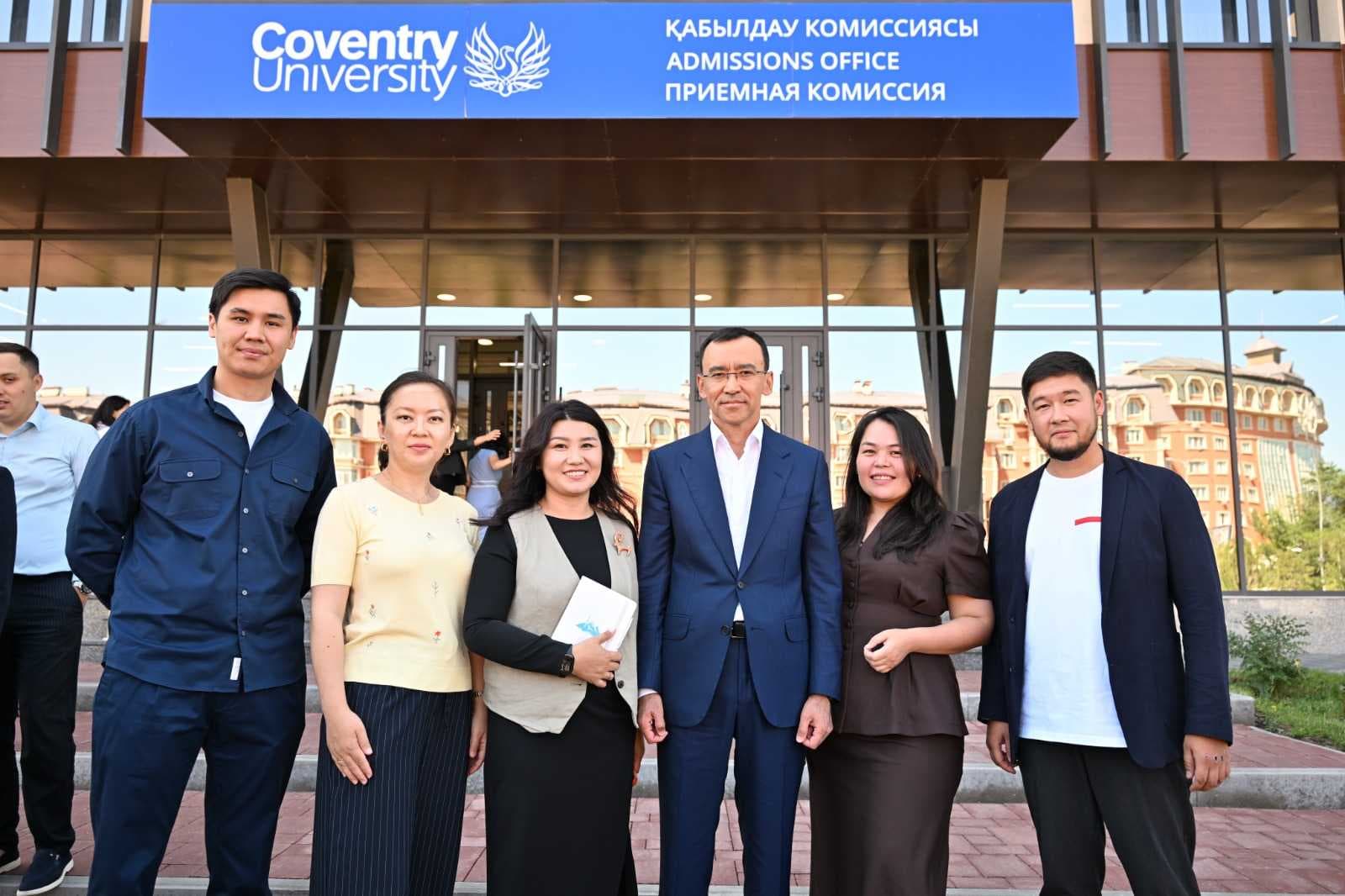
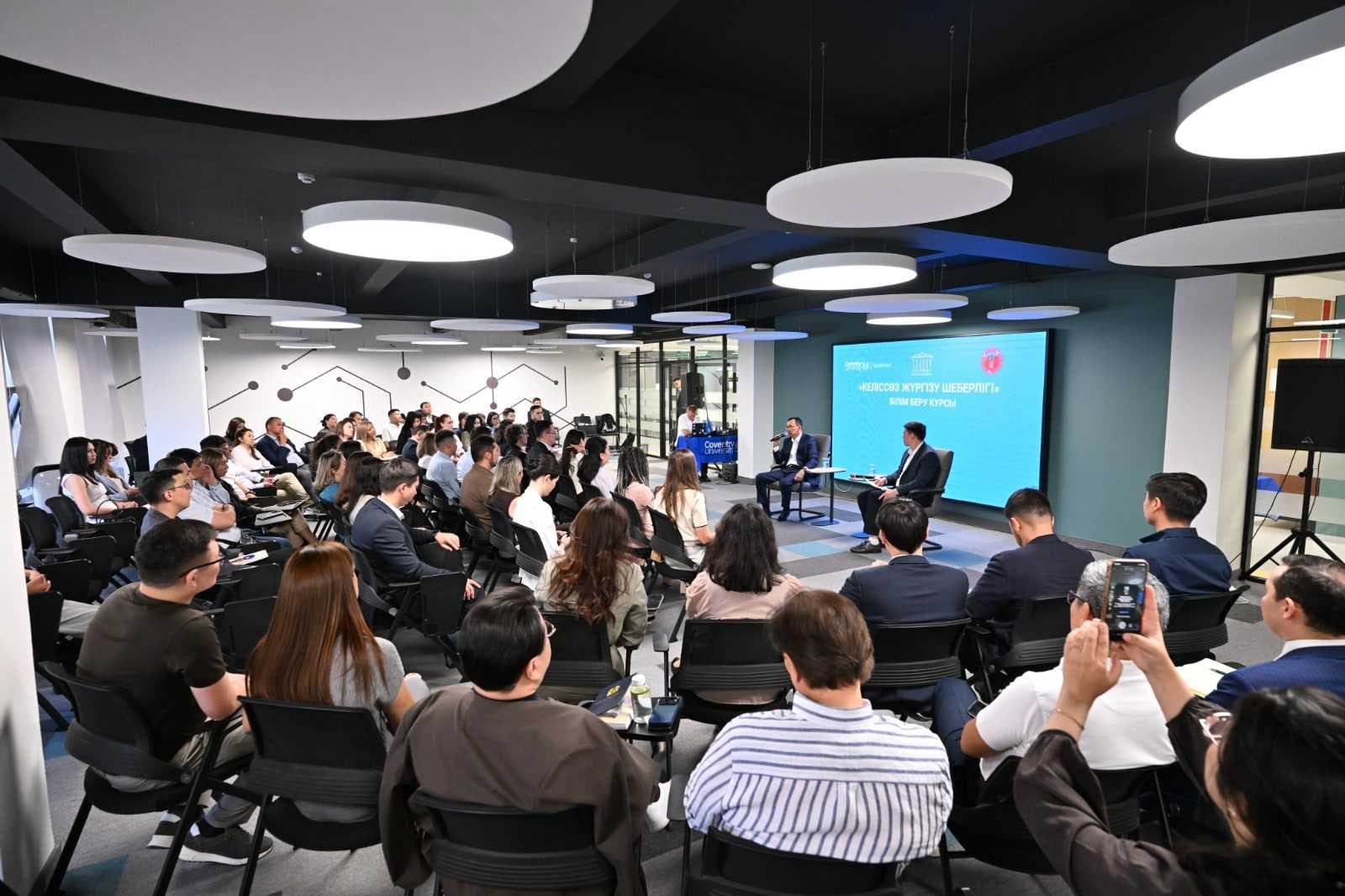


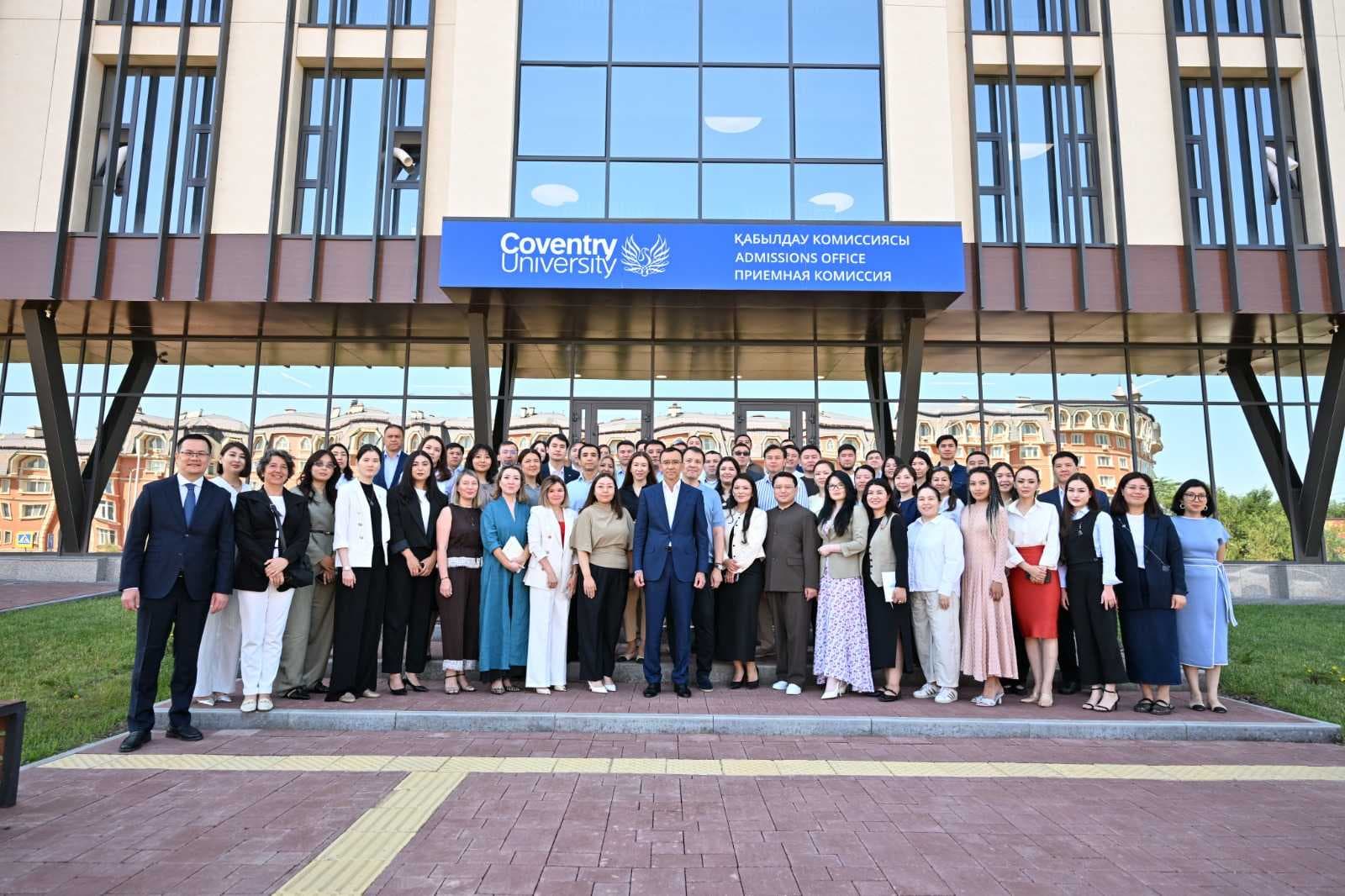
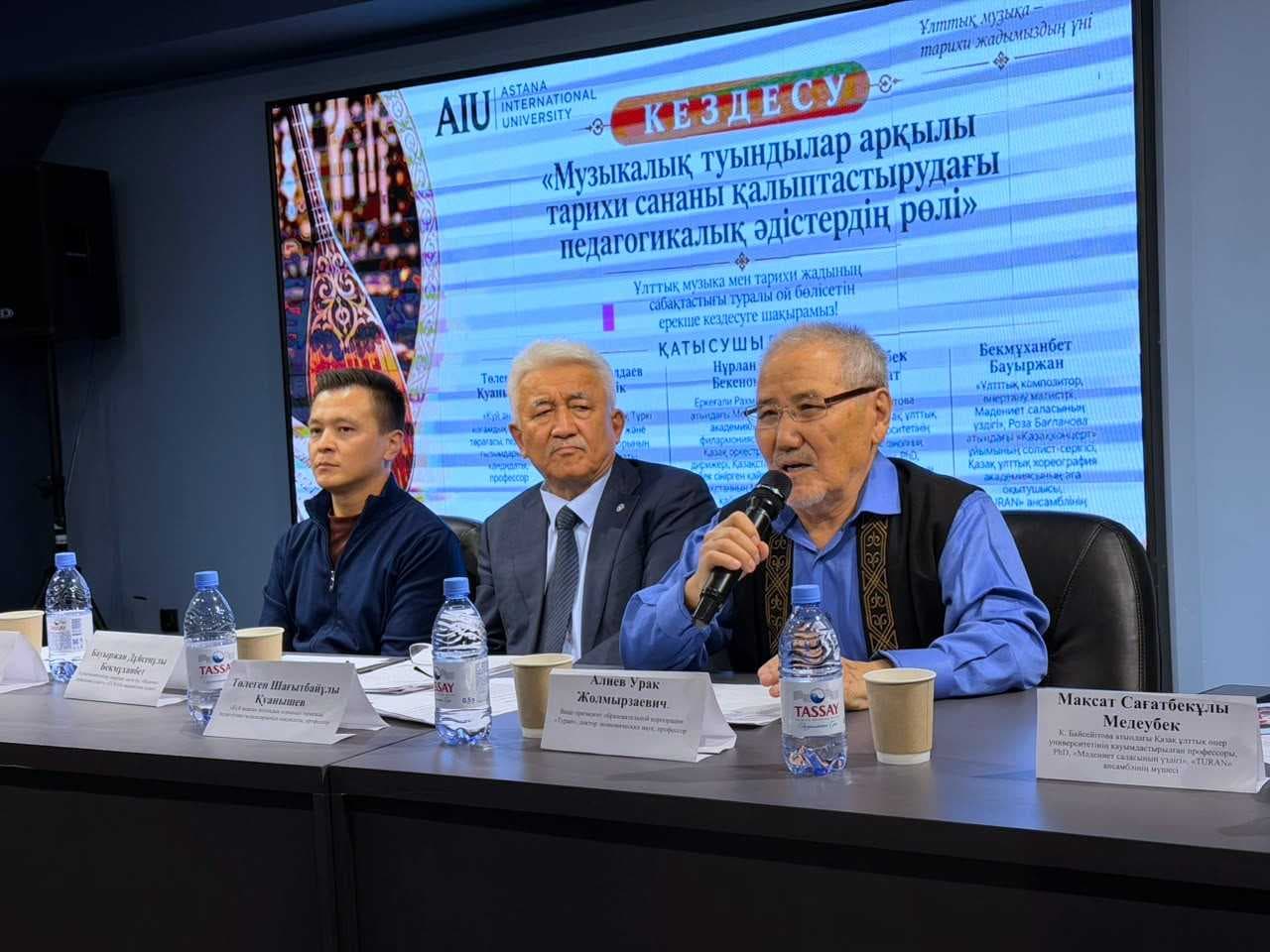
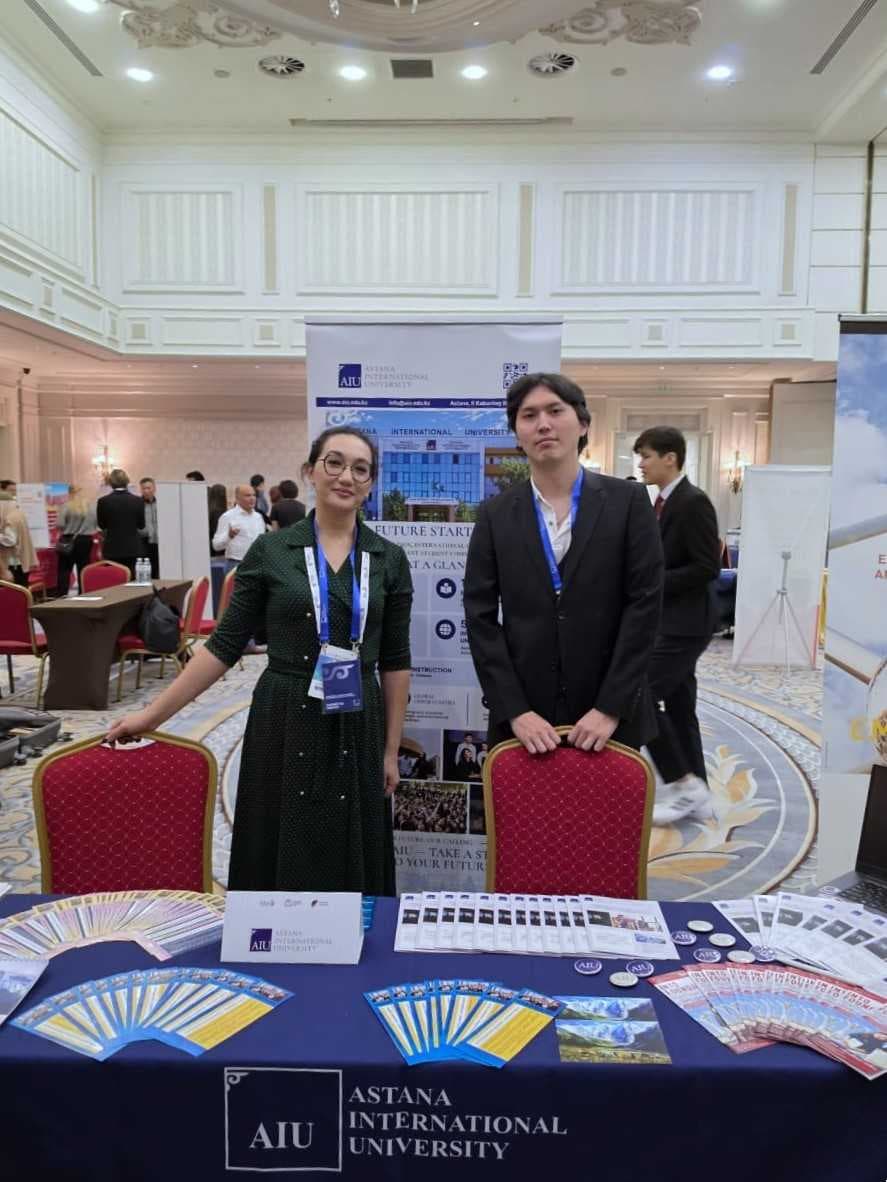
On 11-12 July 2026, representatives of Astana International University (AIU) took part in the Negotiation Mastery programme, organised by Harvard Alumni Kazakhstan in partnership with the School of Analytics and hosted by Coventry University Kazakhstan.
Negotiation is often described as the art of persuasion. In reality, it begins long before the first word is spoken. It starts with preparation, the ability to understand interests rather than positions, and the discipline to recognise opportunities for cooperation before formal discussions even begin. More often than not, the outcome of a negotiation is shaped well before the parties sit down at the same table.
This idea formed the intellectual foundation of the programme. Drawing on the principles of the Harvard Negotiation Method, participants explored negotiation not as a contest of arguments but as a process of creating value. Rather than asking how to convince another party, the discussions focused on a more fundamental question: how do people make decisions, build trust and sustain cooperation under conditions of uncertainty?
One of the programme's central themes was 3D Negotiation—an approach that views negotiation as the design of an agreement rather than merely the conduct of a conversation. Effective negotiators do more than present compelling arguments. They analyse stakeholders, anticipate coalitions, reshape the negotiating environment and identify opportunities where mutual value can emerge. This perspective has become increasingly relevant in diplomacy, where lasting success depends less on short-term victories than on preserving relationships and enabling future cooperation.
The programme also examined insights from behavioural economics and cognitive psychology. Why does the first proposal often shape an entire negotiation? Why does the fear of loss influence decisions more strongly than the prospect of gain? Why do emotions, perception and cultural context sometimes outweigh purely rational arguments? These questions have moved well beyond academic theory and now influence diplomacy, public governance, international business and strategic decision-making.
Participants further explored psychological pressure tactics commonly encountered in high-stakes negotiations. Importantly, these techniques were discussed not as instruments of manipulation but as challenges that responsible leaders must be able to recognise and manage. Professional negotiation is not about overpowering an opponent; it is about maintaining sound judgment, protecting one's integrity and keeping dialogue constructive even under pressure.
Artificial intelligence provided another important dimension of the discussions. Large language models are becoming increasingly capable of analysing information, structuring arguments and modelling complex scenarios. Yet negotiation remains fundamentally human. Trust cannot be automated. Credibility cannot be generated by an algorithm. Long-term partnerships depend not only on information, but also on empathy, judgement, cultural awareness and the ability to understand what often remains unspoken.
In this context, Albert Einstein's well-known principle that everything should be made as simple as possible, but not simpler acquired renewed significance. For negotiators, simplicity does not mean reducing complexity to convenient answers. It means making complexity understandable without losing its essence. The same applies to people: lasting agreements emerge when negotiators seek to understand interests and values rather than merely defend positions.
This philosophy closely reflects the mission of the School of Analytics, which seeks to cultivate a community of professionals committed to analytical thinking, continuous learning and public service. Its vision extends beyond professional development, recognising human capital as the capacity to think critically, collaborate effectively and take responsibility for decisions that shape institutions and society.
For Kazakhstan, negotiation has become far more than a diplomatic skill. National interests are increasingly advanced not only through official diplomacy but also through universities, research partnerships, innovation ecosystems, entrepreneurship and academic collaboration. Every international research project, educational partnership and institutional dialogue contributes to the country's credibility, reputation and long-term strategic positioning.
For AIU, participation in programmes of this kind reflects a broader commitment to developing globally minded leaders capable of navigating complexity, fostering dialogue and building meaningful partnerships. Modern universities do more than educate professionals. They create environments where ideas, institutions and people connect to generate knowledge, trust and shared progress.
Astana International University extends its sincere appreciation to Harvard Alumni Kazakhstan, the School of Analytics (Taldau Mektebi) and Coventry University Kazakhstan for organising an outstanding programme that fostered professional dialogue, intellectual exchange and meaningful reflection on one of the defining competencies of contemporary leadership.
Share:
Photo Gallery