
ReStart: Moving Together Towards a Sustainable Future!
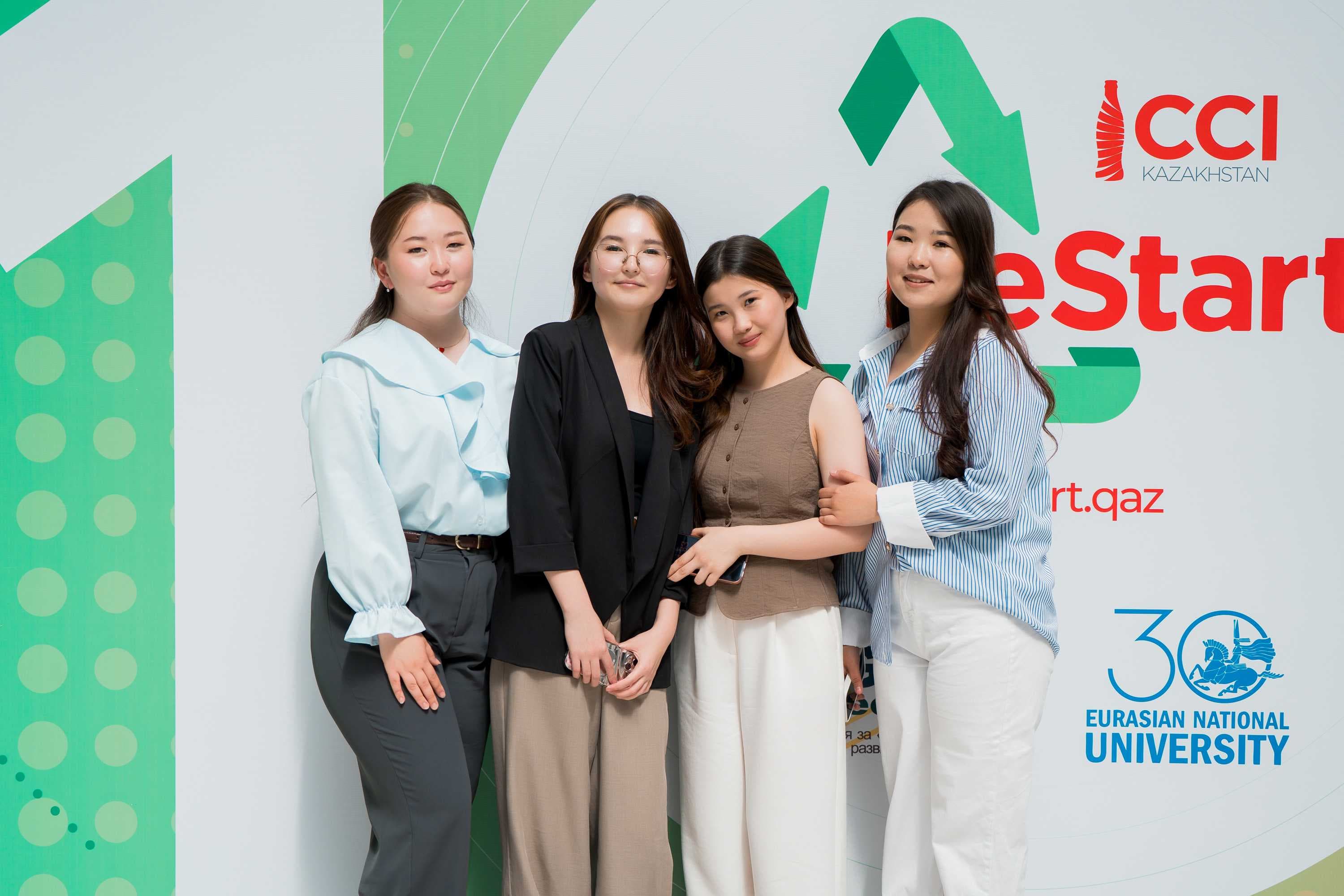
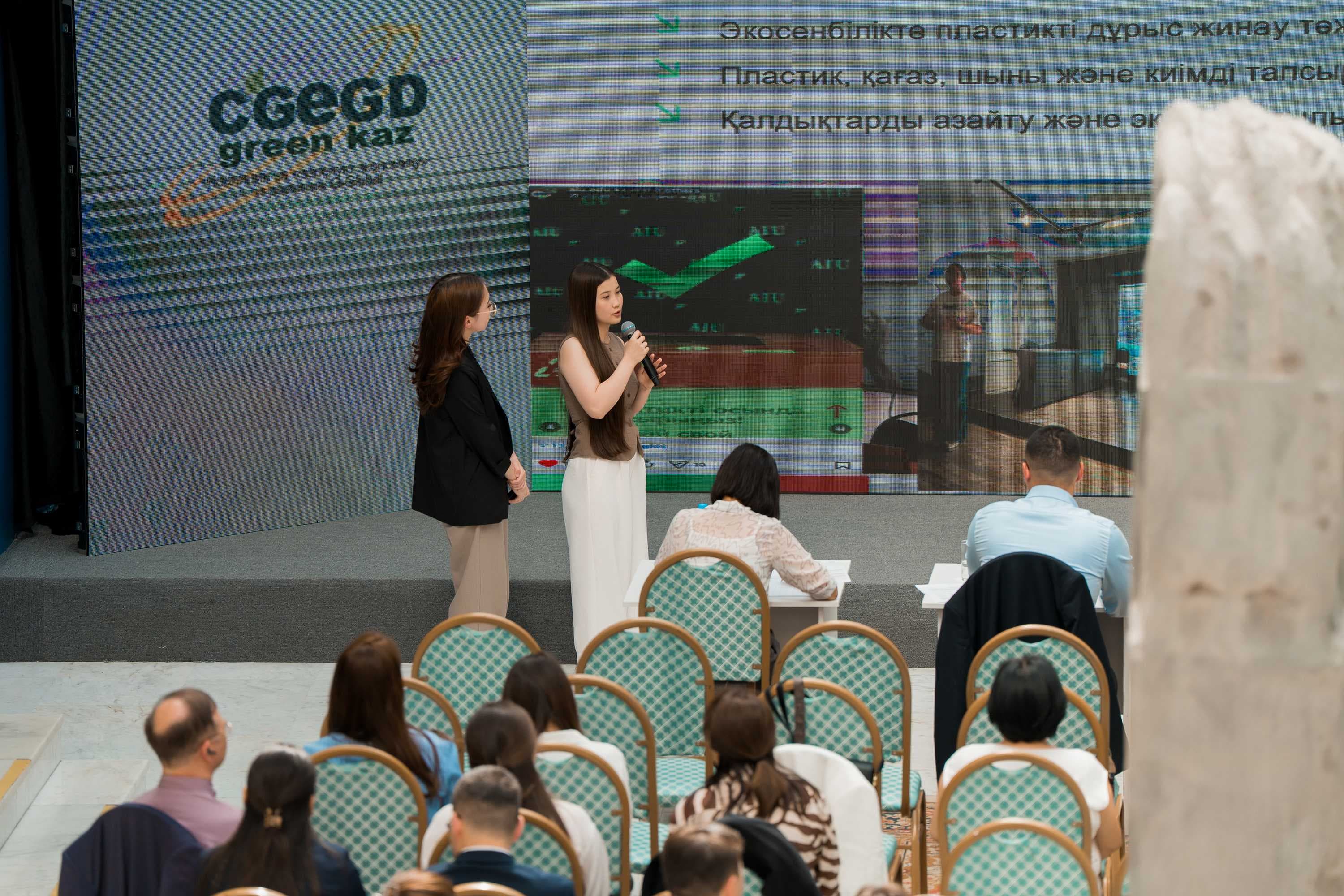
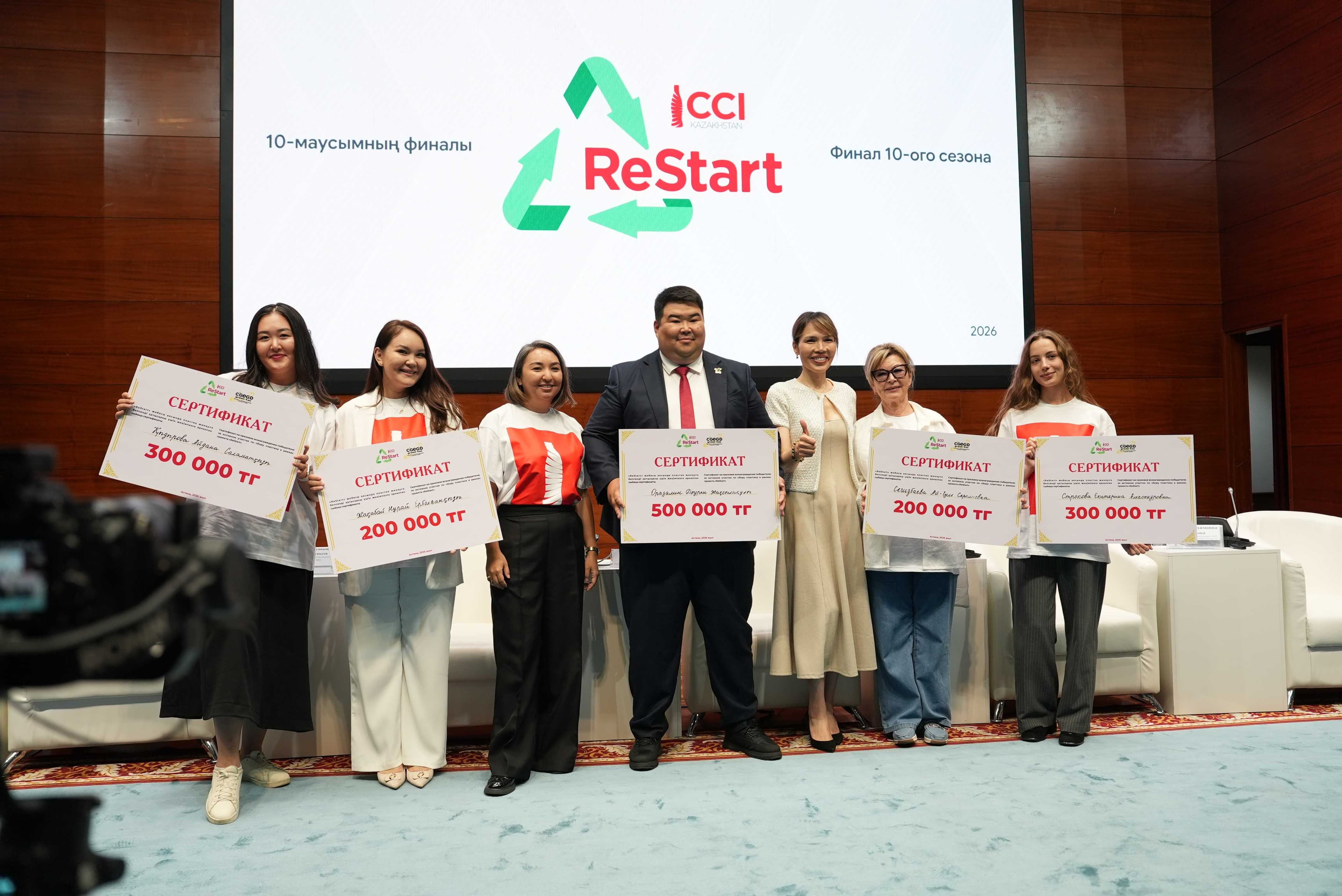
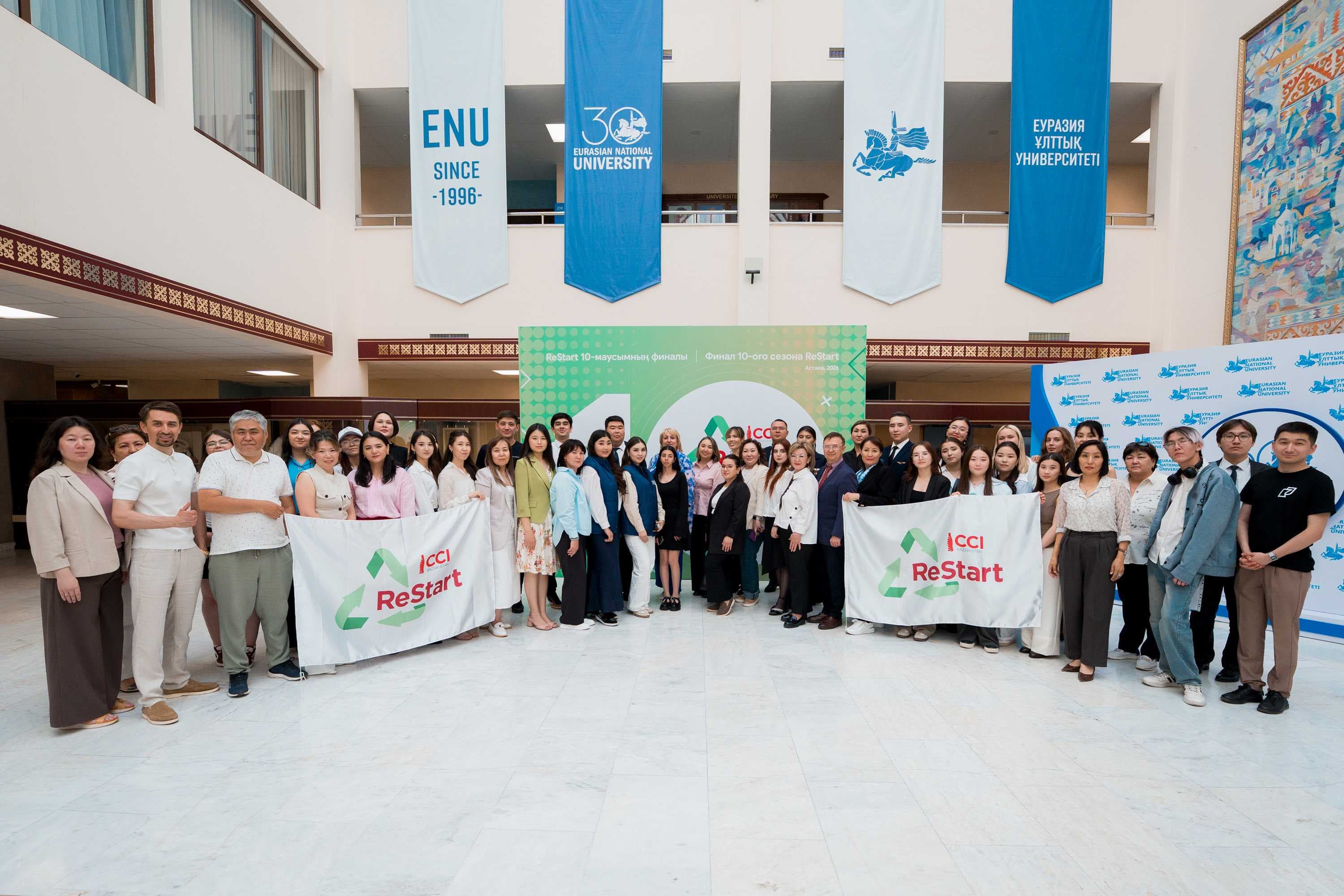
ReStart is the renewed version of the “3.2.1. Start!” project, which has been helping
young people in Kazakhstan learn the principles of waste separation and proper plastic
sorting for more than a decade.
In 2025, the project received a new name, expanded its mission, and reached even
more universities across the country. Today, ReStart aims to foster environmental awareness
among students, promote responsible attitudes toward the environment, and encourage
sustainable habits in everyday life.
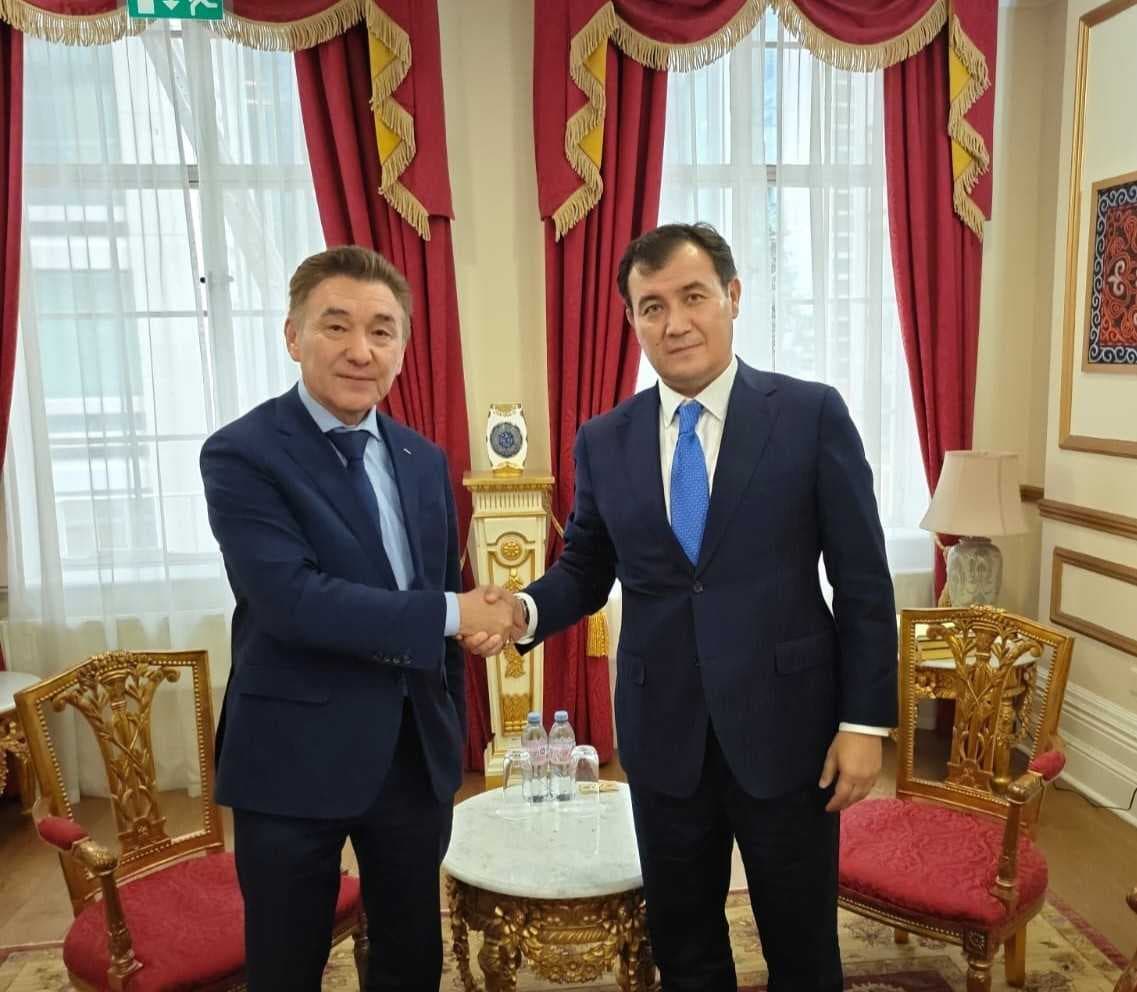
As part of the project implementation, an Action Plan was signed between the
Ministry of Science and Higher Education of the Republic of Kazakhstan, CCI Kazakhstan,
and the Coalition for Green Economy and G-Global Development. In addition, Astana
International University signed a Memorandum of Cooperation to support environmental
initiatives and promote sustainable development principles among young people. These
agreements became an important step in strengthening cooperation between government
institutions, businesses, educational organizations, and civil society.
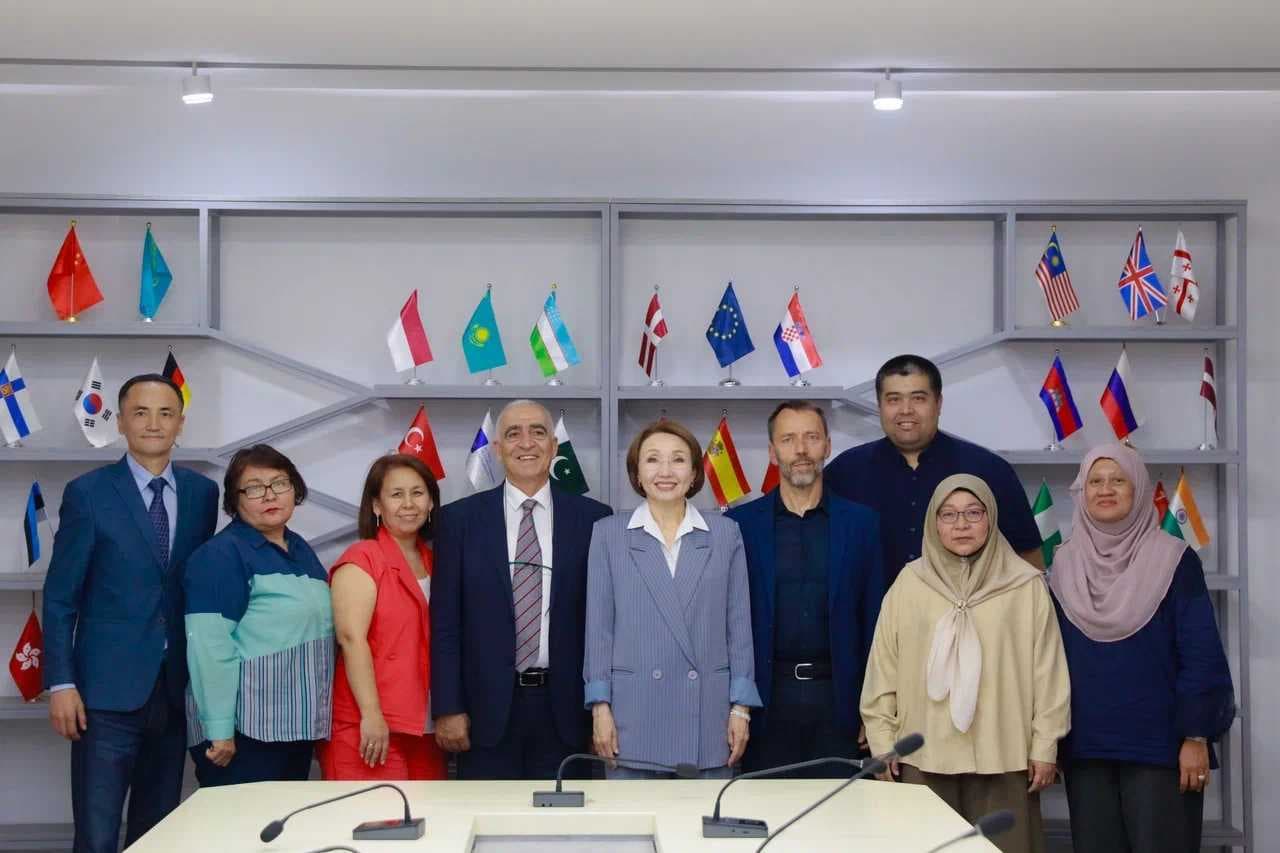
The Higher School of Natural Sciences of Astana International University
actively supports the ReStart initiative and demonstrates tangible results of environmental
responsibility.
During the 2025–2026 academic year, university students collected and sent 2,045.83
kg of plastic for recycling. This is not only a significant contribution to reducing waste but
also evidence that young people are becoming more conscious about resource consumption
and environmental protection.
Importantly, participation in the project has encouraged students not only to sort waste
but also to rethink their use of single-use plastics, choose more sustainable alternatives, and
develop environmentally friendly habits.
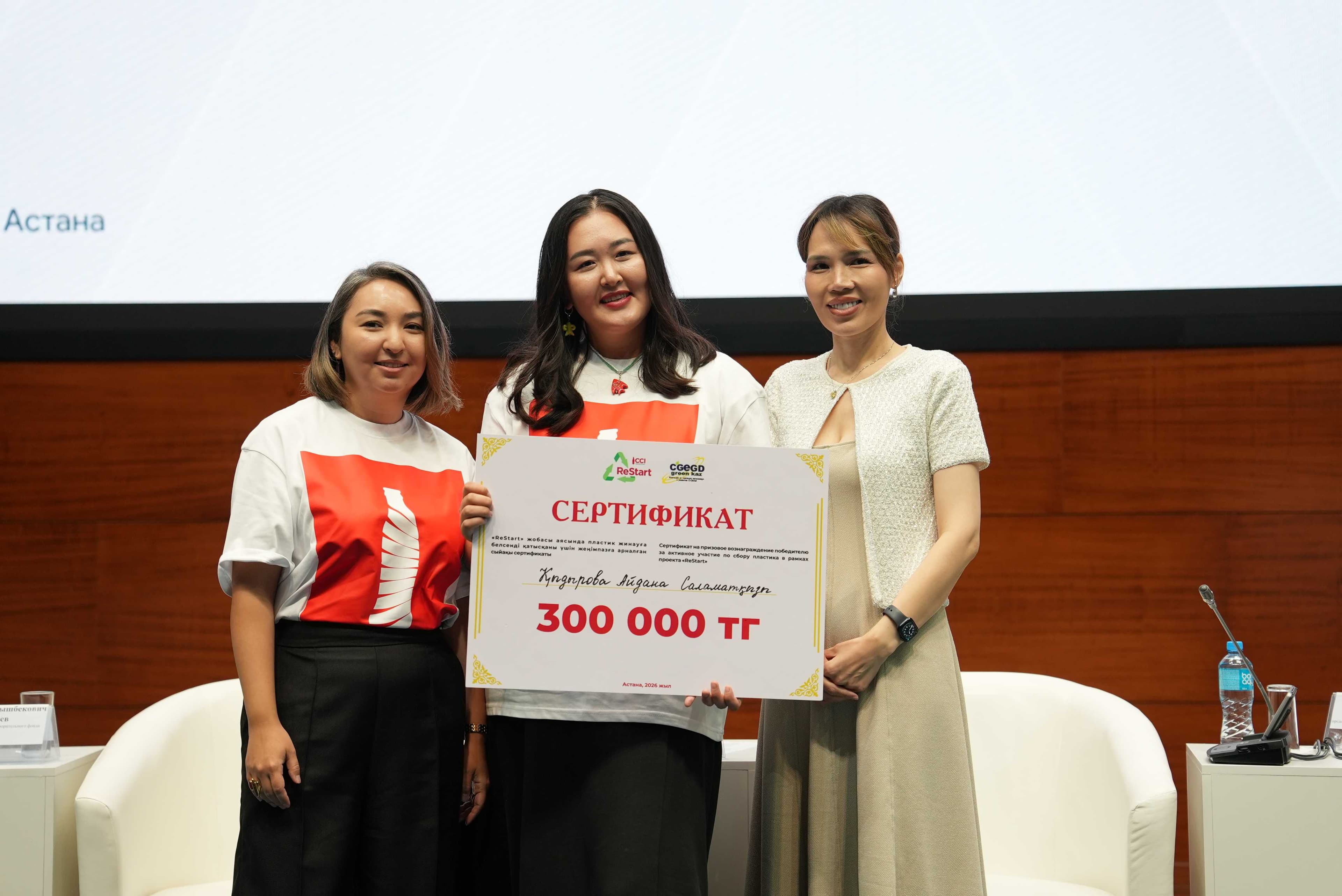
A notable achievement was the recognition of the project coordinator, Aidana
Kydyrova, a lecturer at the Higher School of Natural Sciences, who was awarded Second
Place among ReStart Project Coordinators.
The project contributes to the achievement of the United Nations Sustainable
Development Goals (SDGs):
SDG 4 – Quality Education: promoting environmental literacy and awareness
among students;
SDG 12 – Responsible Consumption and Production: implementing waste
separation and promoting plastic recycling;
SDG 13 – Climate Action: reducing environmental impact through waste reduction
and responsible resource use;
SDG 17 – Partnerships for the Goals: strengthening cooperation among universities,
government agencies, businesses, and civil society organizations.
Thanks to the active participation of Astana International University students,
2,045.83 kg of plastic has been given a second life. Every kilogram collected is a
contribution to a cleaner future, sustainable national development, and the preservation of the
environment for future generations.
Share:
Photo Gallery