
Scientific Cooperation Between Astana International University and the University of Warsaw Continues to Develop
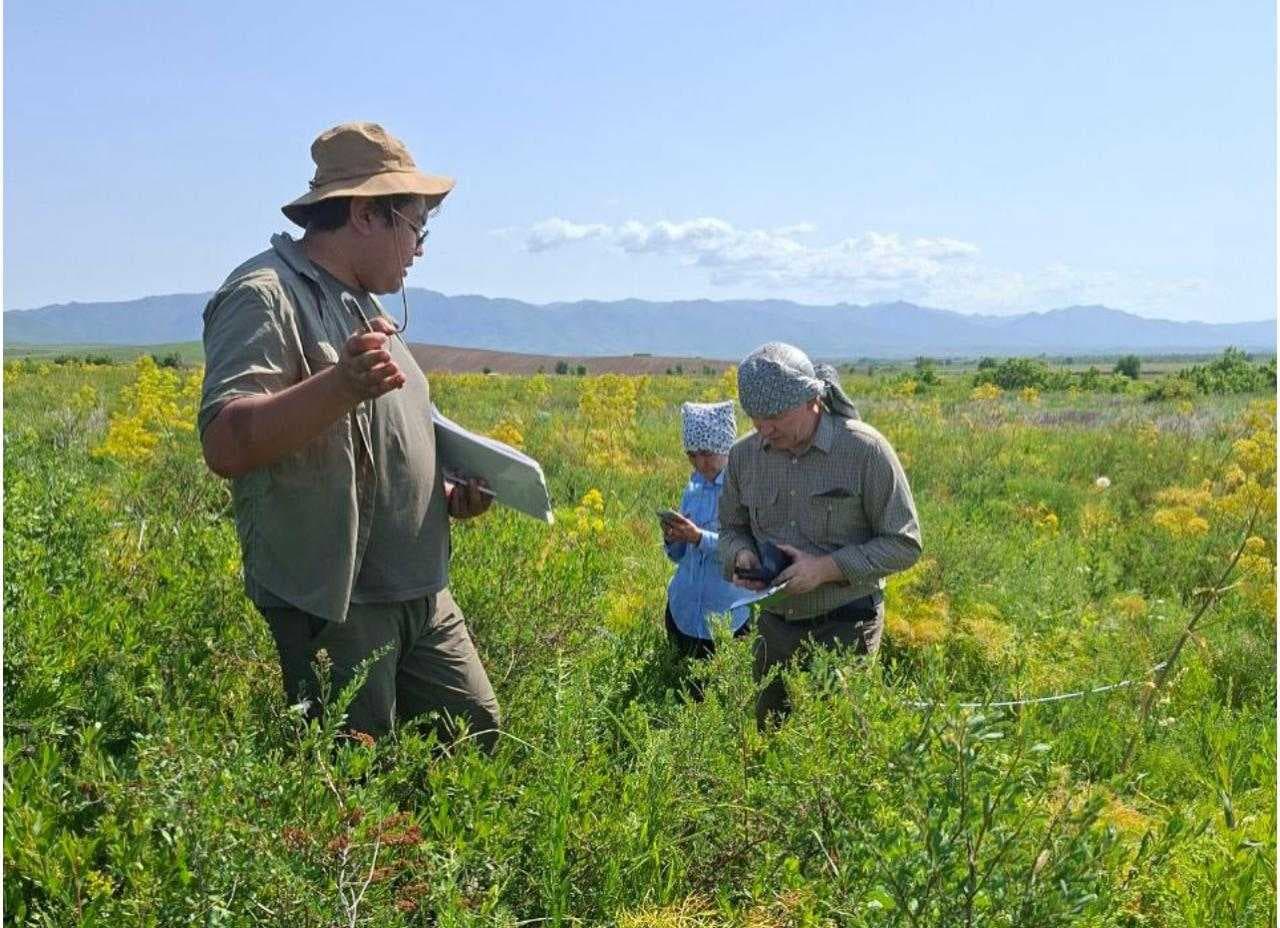
Astana International University and the University of Warsaw have established cooperation in studying Kazakhstan’s natural ecosystems and plant diversity. One of the main areas of their joint work is the study of the distribution of Ledebour’s almond (Prunus ledebouriana) in Tarbagatai National Park.
The study involved representatives of the NatureLaB Research Laboratory at Astana International University, the Faculty of Biology at the University of Warsaw and partner research organisations. Specialists from Tottori University and research institutions in Poland, Japan and Israel also participated.
The joint work of the two universities makes it possible to expand knowledge of Kazakhstan’s natural flora through ecological modelling and data analysis. The researchers share a common goal – to collect comprehensive data on the distribution of Ledebour’s almond and identify its distinctive characteristics.
Materials collected in 2024 and remotely sensed data were used as sources for the study. The researchers combined ground observations, images captured using an unmanned aerial vehicle and satellite imagery. Specialised learning methods were also applied to process the data and identify shrub clusters.
This approach is particularly important for studying remote mountainous areas, where conducting comprehensive field research can be challenging. Combining information from different sources helps determine the precise locations of plant communities and study their relationship with the environment.
The joint research conducted by Astana International University and the University of Warsaw represents an important contribution to biodiversity conservation. The involvement of specialists from the NatureLaB Laboratory has facilitated the exchange of research experience and the application of modern digital tools to study plant species across Kazakhstan.
Share: